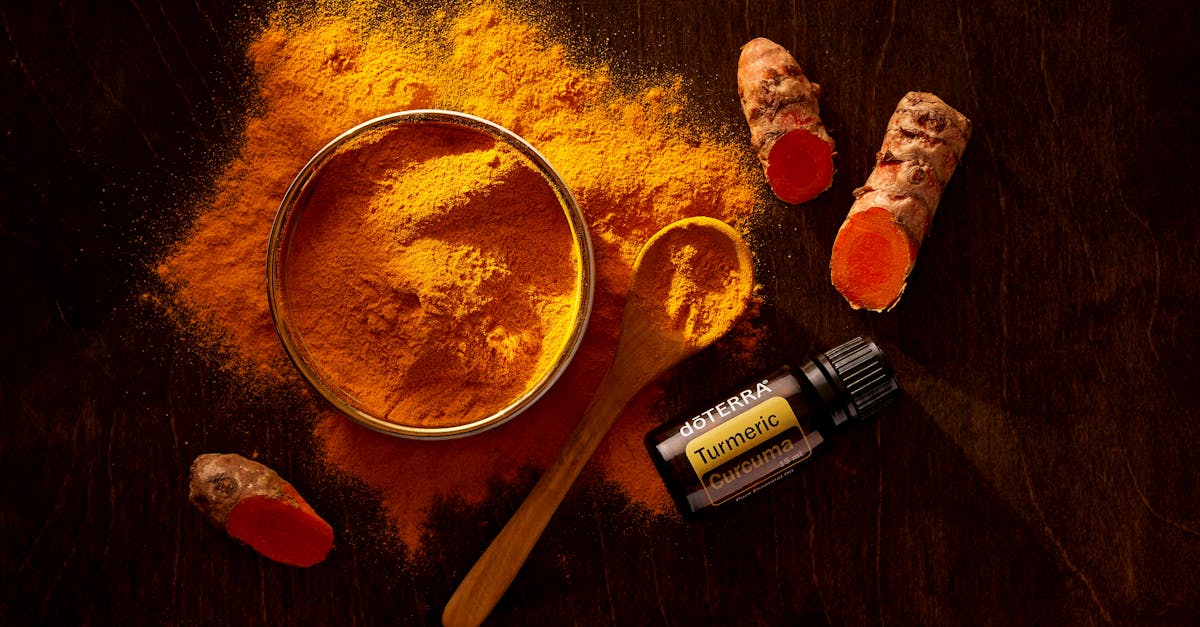
Turmeric has long held a golden glow in traditional medicine, but only in recent years has modern research begun to uncover just how remarkable this humble spice truly is. At the heart of turmeric’s healing reputation lies curcumin, a vibrant yellow compound that gives the spice its color—and most of its therapeutic power. Yet despite turmeric’s popularity, many people don’t fully understand what curcumin does, how it works, or why a simple kitchen ingredient shows up so often in scientific journals. Learning more about curcumin reveals why turmeric has been valued for thousands of years and why it continues to fascinate researchers today.
Curcumin’s anti-inflammatory properties are perhaps its most celebrated benefit. Inflammation itself is not inherently bad; it’s the body’s protective response. Problems arise when inflammation becomes chronic, quietly contributing to conditions like arthritis, heart disease, Alzheimer’s disease, and even metabolic disorders. Curcumin interacts with multiple signaling pathways involved in inflammation, helping to dial down the excessive immune responses that keep the body in a state of internal stress. What many people don’t realize is that curcumin’s effectiveness stems not from acting on a single mechanism but from targeting several at once, making it unusually versatile compared to many plant compounds.
Another lesser-known aspect of curcumin is its role as a potent antioxidant. Everyday life exposes the body to oxidative stress—from pollution, poor diet, UV radiation, and even normal metabolic processes. Over time, oxidative damage accumulates and accelerates aging while increasing susceptibility to disease. Curcumin not only neutralizes harmful free radicals directly but also stimulates the body’s own antioxidant defenses, essentially teaching your cells to protect themselves more effectively. This double-layered function is part of what sets curcumin apart from standard dietary antioxidants.
Research has also explored curcumin’s influence on brain health. Curcumin can cross the blood–brain barrier, which many compounds cannot. Once in the brain, it may help reduce inflammation and oxidative stress, both of which contribute to neurodegenerative conditions. Some studies suggest curcumin might increase levels of BDNF, a growth hormone that supports learning, memory, and the formation of new neural connections. Though not a cure or treatment on its own, curcumin has shown enough promise that scientists continue to examine its potential role in long-term cognitive support.
Turmeric enthusiasts often forget an important point: curcumin on its own is poorly absorbed. Taking turmeric in food provides benefits, but the body metabolizes curcumin quickly, limiting how much actually circulates in the bloodstream. This is why traditional cooking often paired turmeric with fat and why modern supplements add black pepper extract (piperine), which can significantly increase curcumin’s bioavailability. Without such helpers, even high doses of curcumin may pass through the body with little impact. It’s a small detail, but one that drastically affects effectiveness.
Beyond its internal benefits, curcumin has also been studied for its impact on digestion and gut health. Historically, turmeric was used to soothe stomach discomfort, support bile production, and reduce bloating. Today, scientists suspect that curcumin’s anti-inflammatory action may calm the gut lining and help maintain a balanced microbiome, which plays a role in immunity, mood regulation, and metabolic health. While research is ongoing, these traditional uses align with emerging modern findings, showing how ancient knowledge and contemporary science often meet in the middle.
Even skincare has begun embracing turmeric’s abilities. Curcumin’s antioxidant and anti-inflammatory properties are believed to support wound healing and may help reduce redness or irritation. This isn’t new—South Asian cultures have used turmeric pastes for centuries in pre-wedding rituals to enhance complexion—but it highlights how turmeric’s benefits extend beyond internal health.
Although turmeric and curcumin offer many advantages, they are not miracle cures. Their effects are supportive rather than instant, and consistency matters more than quantity. Still, the growing body of research sheds light on why a spice used in ancient Ayurvedic and Chinese medicine remains so relevant today. Learning more about curcumin not only deepens appreciation for turmeric but also reminds us that some of the most powerful health allies have been in our kitchens all along.