High blood pressure, or hypertension, is one of those conditions that many people know about but don’t fully understand. It’s often called a “silent killer” because it can quietly damage the body for years before any obvious symptoms appear. Yet what makes it particularly important to learn about is that, unlike many other health issues, hypertension is heavily influenced by lifestyle choices—meaning there is a lot you can do to prevent it or keep it under control.
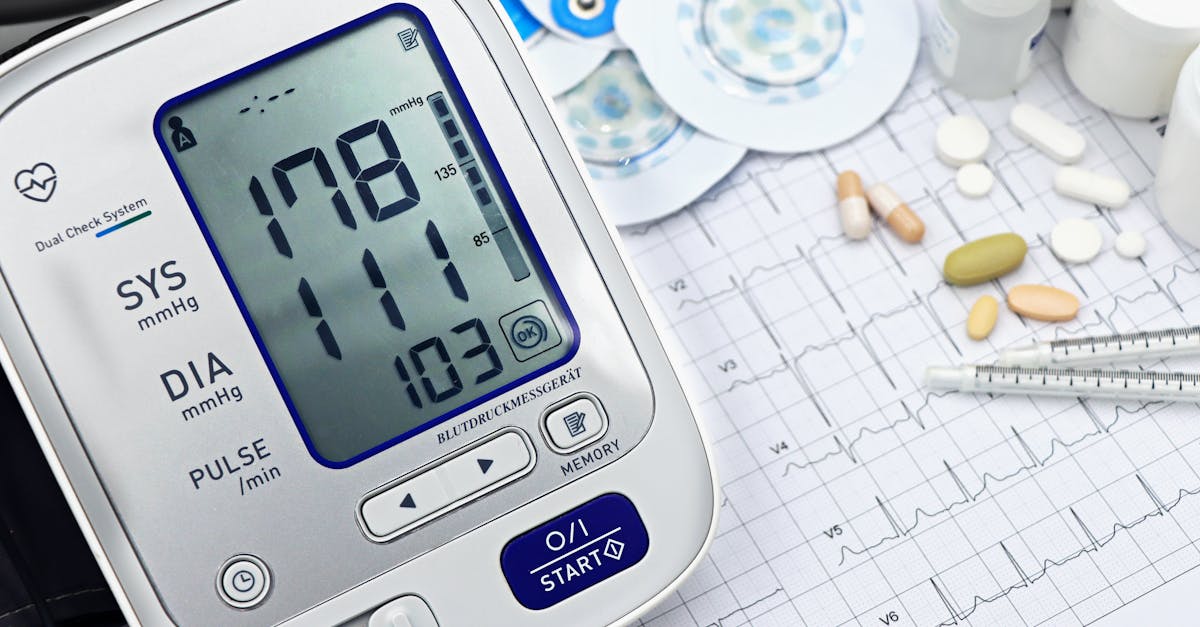
At its core, blood pressure measures the force with which your blood pushes against your artery walls. When that force stays consistently too high, your arteries become strained, less flexible, and more prone to damage. Over time, this increases the risk of heart attacks, strokes, kidney disease, and other serious problems. The most common type is primary hypertension, which develops gradually without a single identifiable cause. It’s often linked to genetics, aging, and everyday habits. The less common secondary hypertension has a clear underlying trigger—such as kidney issues, thyroid disorders, or certain medications—and tends to appear suddenly.
One of the lesser-known aspects of high blood pressure is how strongly it is tied to the health of your blood vessels themselves. When arteries stiffen with age—a process known as arterial stiffening—pressure naturally rises. This is why even people who eat well and exercise might still develop hypertension later in life. Also often overlooked is the role of sodium sensitivity. While salt affects everyone differently, some people’s bodies retain more fluid in response to salt, making their blood pressure spike much more dramatically. Genetics, hormones, and even ethnicity can influence this sensitivity.
Symptoms of hypertension are tricky because most people don’t feel anything at all. However, when symptoms do appear, they’re often vague and easy to dismiss: headaches, shortness of breath, dizziness, blurred vision, or a pounding sensation in the chest or neck. These aren’t guaranteed signs of high blood pressure, but they are reminders of the importance of regular check-ups. Many people only discover they’re hypertensive during a routine appointment—or after a complication has already developed.
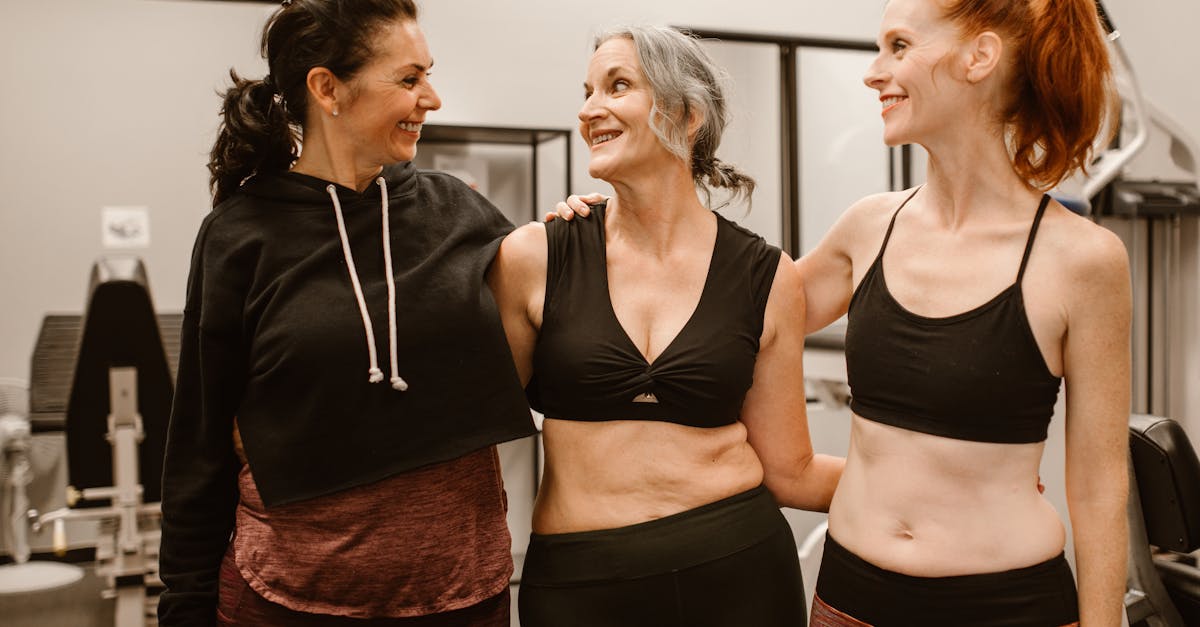
The good news is that small lifestyle adjustments can have a surprisingly powerful impact. Maintaining a healthy weight is one of the most effective ways to reduce blood pressure because excess body fat puts added strain on your circulatory system. Regular physical activity strengthens your heart, allowing it to pump more efficiently with less force. Even modest habits like brisk walking for 20 to 30 minutes a day can improve numbers significantly.
What you eat matters greatly, too, and not just because of salt. Diets high in potassium-rich foods—bananas, potatoes, beans, leafy greens—help balance sodium levels and relax blood vessel walls. Another lesser-known tip is to pay attention to added sugars. Research shows that excessive sugar, especially from sweetened drinks, can raise blood pressure as much as or more than sodium. Hydration plays a role as well: dehydration temporarily narrows blood vessels, causing pressure to rise.
Stress is another quiet contributor. When you’re under chronic stress, your body releases hormones that constrict blood vessels and increase heart rate. Practices like deep breathing, meditation, stretching, or even a few minutes of quiet time during the day can help lower these stress-related spikes. Sleep also matters more than most people realize—poor sleep disrupts hormone regulation and is directly linked to higher blood pressure, especially in people with sleep apnea.
Finally, reducing alcohol and avoiding smoking can make dramatic improvements. Alcohol raises blood pressure both in the moment and over time, while smoking instantly stiffens arteries and speeds up damage to the vessel walls.
Understanding high blood pressure isn’t just about knowing the numbers—it’s about recognizing how your daily choices shape your long-term health. The more you know about its causes, symptoms, and simple lifestyle solutions, the easier it becomes to protect your heart, your arteries, and your future well-being.