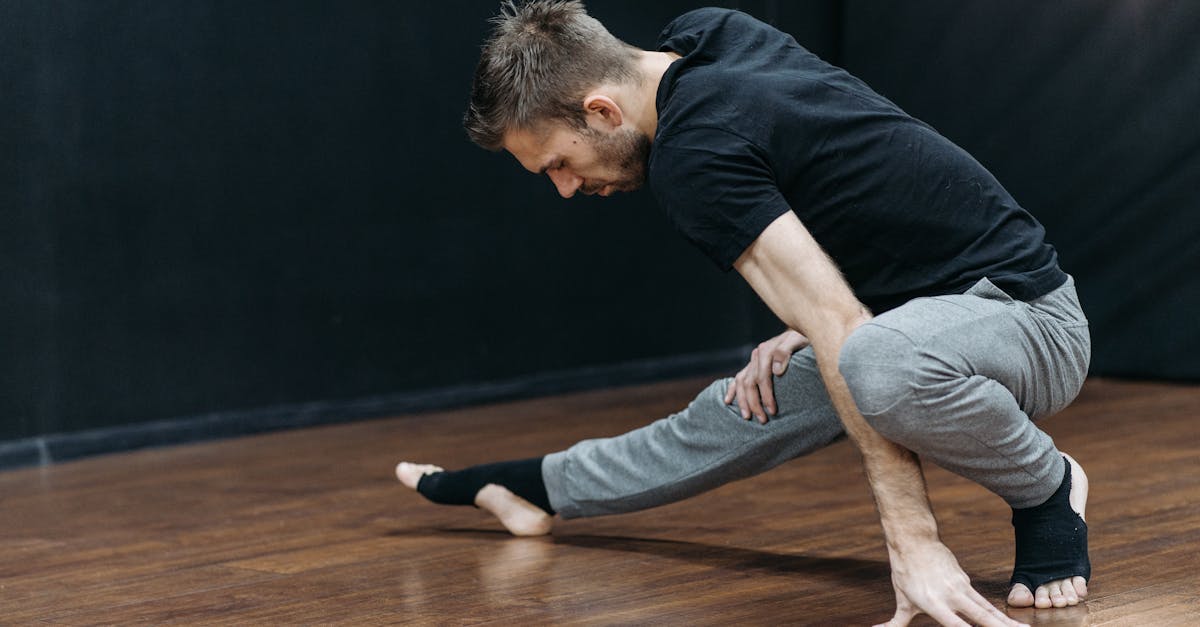
Stretching is one of those habits everyone knows they should do, yet it’s often pushed aside for “more important” tasks. But a few dedicated minutes of stretching each day can quietly reshape how your body feels, moves, and ages. While stretching is typically associated with flexibility, its effects go far deeper—impacting muscle health, spinal alignment, joint longevity, and even how your nervous system responds to movement. Understanding what really happens inside your body when you stretch can help you appreciate why this simple practice pays off in the long run.
When you stretch a muscle, you’re not just pulling on tissue; you’re improving the muscle’s ability to lengthen safely and effectively. Muscles tend to shorten when they’re underused, overworked, or stuck in repetitive daily positions—like sitting at a computer for hours or standing for long periods. Over time, this shortening limits your range of motion and increases tension. Daily stretching gently reverses that process by increasing the muscle’s resting length. Interestingly, some of the early improvements you feel aren’t structural at all but neurological. Your nervous system becomes more tolerant of the sensation of stretching, meaning what once felt tight or uncomfortable gradually becomes normal. Many people mistake this “neural adaptation” for increased flexibility, when in reality, both the brain and muscles are adjusting simultaneously.
Your spine, perhaps more than any other part of the body, benefits tremendously from consistent stretching. The spine relies on balanced, supple muscles to maintain proper alignment. When certain muscle groups—like the hip flexors or hamstrings—become chronically tight, they pull the pelvis out of its natural position. This misalignment places stress on the lower back, often causing stiffness or pain. Stretching restores muscular balance around the spine, allowing it to carry your body weight more efficiently. Even the small supporting muscles between vertebrae respond positively, promoting a more stable, resilient posture. What many people don’t realize is that spinal discs also love movement. Gentle stretching improves circulation to the discs and surrounding tissues, helping keep them hydrated and healthy, which is essential for avoiding degeneration as you age.
In terms of mobility, daily stretching plays a long game. Mobility is more than just flexibility; it’s the ability to move joints through their full range of motion with control. Stretching maintains the elasticity of tendons and ligaments while preserving joint space. When joints lack movement, synovial fluid—your body’s natural lubricant—circulates less effectively. Over years or decades, this can contribute to stiffness, arthritis, and decreased mobility. By regularly stretching, you’re keeping joints nourished, encouraging better movement patterns, and preventing early wear and tear. This is why athletes, dancers, and physiotherapists treat stretching as non-negotiable—it protects the body from the inside out.
Another overlooked benefit of stretching involves your fascia, the web-like connective tissue that surrounds muscles, nerves, and organs. Fascia can become tight or sticky when you’re inactive or stressed, creating tension that radiates far beyond the source. Stretching hydrates fascia and keeps it pliable, reducing that “whole-body stiffness” many people feel when they wake up or after sitting too long. Some researchers even suggest that maintaining healthy fascia plays a role in preventing chronic pain conditions.
Daily stretching also supports better circulation. When muscles lengthen, blood flow increases, delivering oxygen and nutrients while carrying away metabolic waste. This can reduce soreness, speed up recovery after exercise, and even contribute to better energy levels throughout the day. In the long term, improved blood flow helps your muscles stay healthier, more responsive, and less prone to injury.
Finally, stretching has a surprisingly powerful effect on your nervous system. Slow, controlled stretching activates the parasympathetic nervous system—the branch responsible for relaxation and recovery. This is why people often feel calmer after stretching. Incorporating a short stretching routine into your morning or evening is an easy way to regulate stress and promote better sleep.
In essence, daily stretching is a small practice with big rewards. It maintains muscle balance, supports spinal health, preserves mobility, nourishes joints, calms the nervous system, and keeps your body functioning smoothly as the years go by. It’s not about touching your toes or doing the perfect pose—it’s about giving your body the space and movement it was designed for. A few minutes a day can change how you feel for decades.