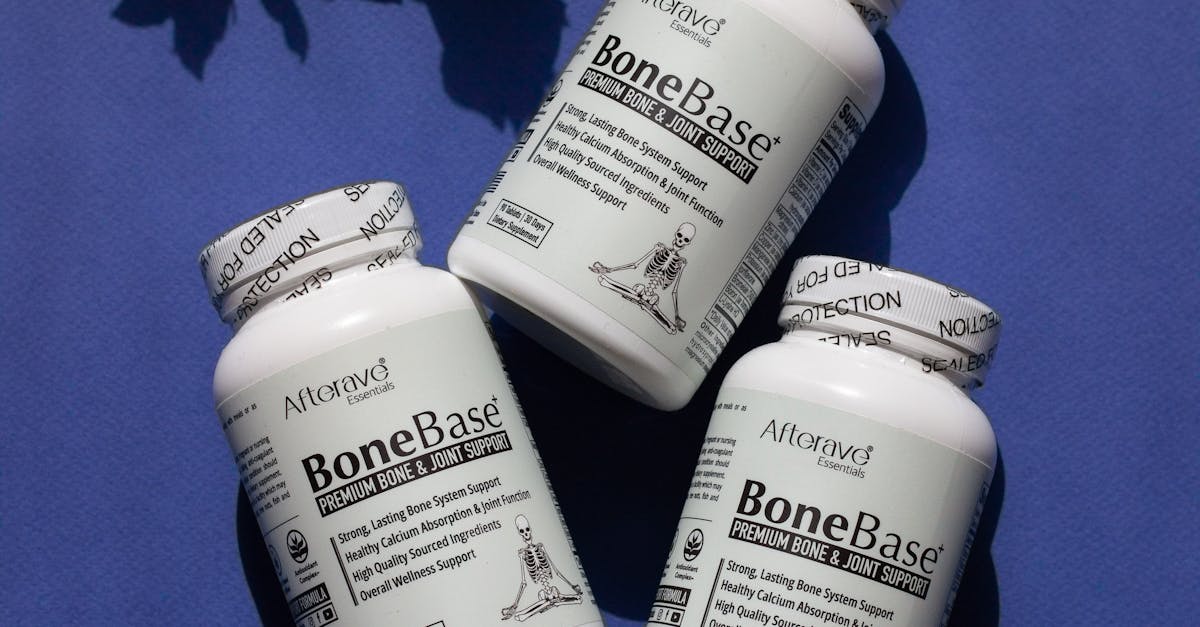
Keeping your bones strong is one of those health goals that feels simple in theory but often gets overlooked in day-to-day life. Bone loss happens slowly and silently, and by the time most people notice it, the damage has already progressed. That’s why understanding how bone strength works—and what you can do today to protect it—makes such a difference. Calcium, vitamin D, and weight-bearing exercise form a kind of three-pillar system that your body relies on, and if even one of these is missing, bone density can suffer.
Calcium is the first nutrient most people think of when it comes to bone health, and for good reason. Your body stores nearly all of its calcium in your bones and teeth, using it as a sort of mineral “bank.” What people often forget is that your body withdraws calcium from this bank constantly to support muscle contraction, nerve signaling, and heart rhythm. If you don’t consume enough calcium daily, your body simply takes it from your bones—even if bone density is already declining. While dairy products are classic sources, many underestimate how much calcium is in foods like dark leafy greens, almonds, chia seeds, and fortified plant milks. Another easily missed point: your body can only absorb a certain amount of calcium at once, so spreading intake throughout the day is far more effective than trying to get it all from one meal or a supplement.
Vitamin D plays the quieter, often underestimated supporting role. Without enough vitamin D, your body can’t absorb calcium efficiently, which means you may be consuming plenty of calcium but still not benefiting from it. Sunlight is the natural source, but the ability to produce vitamin D from sunshine varies widely based on age, skin pigmentation, geography, and even cloud cover. It’s surprisingly common for people to be deficient without realizing it. Fatty fish like salmon, fortified foods, and supplements can help maintain healthy levels. Many don’t know that vitamin D also influences muscle strength and balance—two factors directly tied to fall risk, which becomes increasingly important as people age.
The third pillar, weight-bearing exercise, is something people often misunderstand. Bone is living tissue that responds to stress, and when you apply healthy, repeated pressure on it, the bone-building cells become more active. It’s similar to how muscles grow after resistance training. Activities like walking, hiking, dancing, and jogging put gentle stress on your bones, signaling them to stay dense and strong. Resistance exercises—squats, lunges, weights, or even resistance bands—add another level of stimulus that strengthens both bones and the muscles surrounding them. What many don’t realize is that non-weight bearing activities, like swimming or cycling, are fantastic for heart health but don’t benefit bone density the same way. Including even short sessions of weight-bearing movement throughout the week makes a long-term difference.
Another little-known fact is that bone-building peaks far earlier in life than most people assume. By your early to mid-20s, you’ve already built most of your bone mass. After age 30, the body gradually loses more bone than it builds. That means that habits formed early—good nutrition, sunlight exposure, and regular physical activity—create the foundation you rely on decades later. Still, it’s never too late to strengthen your bones. Even modest improvements in diet and movement help slow bone loss and improve stability.
Small daily choices can have surprising effects. Too much sodium or caffeine can increase calcium loss, as can smoking and excessive alcohol. Chronic stress and poor sleep also influence hormones involved in bone remodeling—an often forgotten connection. Hydration even matters: the fluid balance inside bone tissue affects how nutrients are transported. These aren’t dramatic changes, but they add up over the years.
Ultimately, strengthening your bones isn’t about big, complicated routines—it’s about consistency. Eating calcium-rich foods throughout the day, ensuring adequate vitamin D through sunlight or diet, and moving your body with weight-bearing exercises all work together in ways your bones depend on. These habits not only support bone density but also improve balance, reduce fall risk, and support long-term vitality. By giving your bones what they need today, you’re investing in a stronger, more stable future.