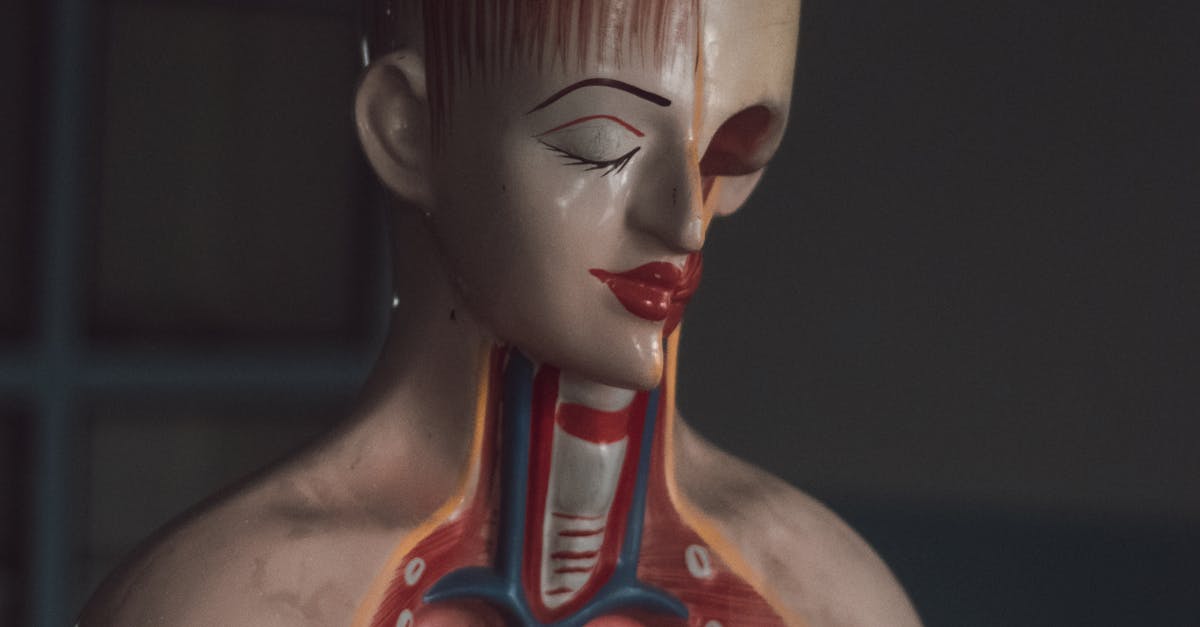
The digestive system is one of those parts of the body we think about only when something goes wrong—bloating after a heavy meal, heartburn after eating too fast, or that sluggish feeling when digestion slows down. Yet, every single day, your stomach and intestines perform a complex sequence of tasks to break down food, absorb nutrients, and keep your body energized. Learning a bit more about how this system really works can help you make more informed choices about what and how you eat, while also understanding the subtle signs your gut sends when something needs attention.
Digestion actually begins long before food reaches the stomach. Even the act of smelling or seeing food triggers your salivary glands and prepares your digestive tract for incoming nutrients. Once food enters the mouth, enzymes like amylase start breaking down carbohydrates right away—a step many people underestimate. Chewing thoroughly isn’t just a courtesy to your stomach; it’s a vital part of the digestive process that reduces the workload on the organs that come next.
When food reaches the stomach, things get a lot more intense. The stomach secretes hydrochloric acid strong enough to kill most bacteria and help break down proteins. The churning action of the stomach muscles turns food into a semi-liquid mixture called chyme. What many don’t realize is that your stomach doesn’t digest everything equally. Proteins spend more time here, while fats and fiber slow the process down. This explains why a high-fat meal can leave you feeling full for hours—it’s literally hanging around longer.
As chyme moves into the small intestine, digestion becomes an even more fascinating team effort. Here, the pancreas releases enzymes to break down proteins, carbohydrates, and fats, while the liver’s bile (stored in the gallbladder) emulsifies fats so they can be absorbed. The small intestine is where most nutrients actually enter your bloodstream, thanks to millions of tiny villi that increase surface area dramatically. One commonly overlooked fact is just how long this organ truly is—around six meters—yet it fits inside your abdomen through tightly packed folds that maximize absorption space.
But the large intestine, often misunderstood, plays a more subtle yet equally essential role. Instead of digesting food, it focuses on absorbing water and minerals while hosting trillions of beneficial bacteria. These microbes help ferment leftover fibers, produce vitamins like vitamin K, regulate immunity, and even influence mood through the gut–brain axis. Many people forget that the gut microbiome is effectively its own ecosystem, shaped daily by what you eat, how hydrated you stay, and even your stress levels.
Another interesting thing about digestion is how much control your nervous system has over it. Stress, for example, can slow digestion dramatically by diverting energy away from the gut—an evolutionary response designed for survival but unhelpful during a stressful workday. Meanwhile, eating too quickly can confuse your digestive organs into overproducing acid or failing to signal fullness in time, contributing to indigestion and overeating.
Hydration is also a key, sometimes forgotten, part of digestion. Water helps dissolve nutrients, keeps food moving along the intestinal tract, and prevents constipation in the large intestine. Similarly, fiber plays a dual role depending on its type: soluble fiber forms a gel that slows digestion (good for blood sugar control), while insoluble fiber adds bulk to stool and keeps everything moving efficiently.
Understanding how your stomach and intestines break down food gives you a clearer appreciation of just how much your body does behind the scenes. This knowledge can guide simple habits—like chewing more thoroughly, choosing balanced meals, managing stress, and drinking enough water—that support the entire digestive journey. After all, digestion isn’t just about avoiding discomfort; it’s about optimizing the way your body extracts energy and nutrients from everything you eat.