When thinking about staying energized, most people imagine a strong cup of coffee or a sugary snack to get through the afternoon slump. But true, steady energy doesn’t come from quick fixes—it comes from the way your body processes nutrients throughout the day. What you eat directly affects not only your physical stamina, but also your mental focus, emotional balance, and productivity levels. Understanding how certain foods support sustained energy can help you make smarter choices that keep you alert without crashes.
Carbohydrates are the body’s preferred energy source, but not all carbs have the same effect. Whole grains like oats, brown rice, and quinoa release glucose slowly into your bloodstream, giving you a steady stream of energy rather than a sharp spike followed by fatigue. This is why a bowl of oatmeal can keep you full and focused for hours, while a sugary cereal might leave you hungry and distracted before lunchtime. An interesting lesser-known fact is that the fiber in whole grains also feeds your gut bacteria, and a healthy microbiome contributes to more stable mood-regulating hormones—meaning your breakfast can literally shape your emotional resilience.
Protein plays a crucial role as well. While we usually associate protein with muscle repair, it’s also essential for neurotransmitter production. Foods like eggs, Greek yogurt, beans, and lean meats provide amino acids that your brain uses to create dopamine and norepinephrine, chemicals that help you stay alert, motivated, and mentally sharp. A balanced meal that includes protein can prevent the mid-afternoon mental fog many people experience when their blood sugar fluctuates.
Healthy fats, especially omega-3 fatty acids, are another powerful tool for long-lasting energy. Found in foods like salmon, walnuts, chia seeds, and avocados, these fats help stabilize cell membranes and reduce inflammation. Your brain—made up largely of fat—relies on omega-3s to function efficiently. People often forget that mood swings and low motivation can be tied to poor fat intake. Supporting your brain with the right fats can make concentration easier and keep your mood even throughout the day.
Vitamins and minerals also act behind the scenes to power your metabolism. Iron, for example, is a key component of hemoglobin, which transports oxygen throughout your body. Low iron levels are surprisingly common, especially among women, and can lead to chronic fatigue that no amount of coffee will fix. Leafy greens, lentils, and pumpkin seeds are all helpful sources. B-vitamins, found in whole grains, eggs, and bananas, help your body convert food into usable energy. Even mild deficiencies can make you feel sluggish or irritable without realizing why.
Then there are foods that indirectly boost energy by improving how your body handles stress and inflammation. Berries, leafy greens, green tea, nuts, and seeds offer antioxidants that protect cells from oxidative stress—something that quietly drains your vitality over time. Meanwhile, fermented foods like yogurt, kefir, and kimchi support gut health, which researchers now link to better emotional stability and sharper mental performance. Your gut produces a significant portion of your body’s serotonin, so supporting digestion can actually support a more upbeat mood.
Hydration is another often overlooked part of the energy equation. Even slight dehydration can cause fatigue, headaches, and difficulty concentrating. Foods with high water content—such as oranges, cucumbers, strawberries, and watermelon—can give you a hydrating boost along with essential nutrients. Pairing these with water-rich beverages like herbal tea keeps your energy more stable than relying on caffeinated drinks alone.
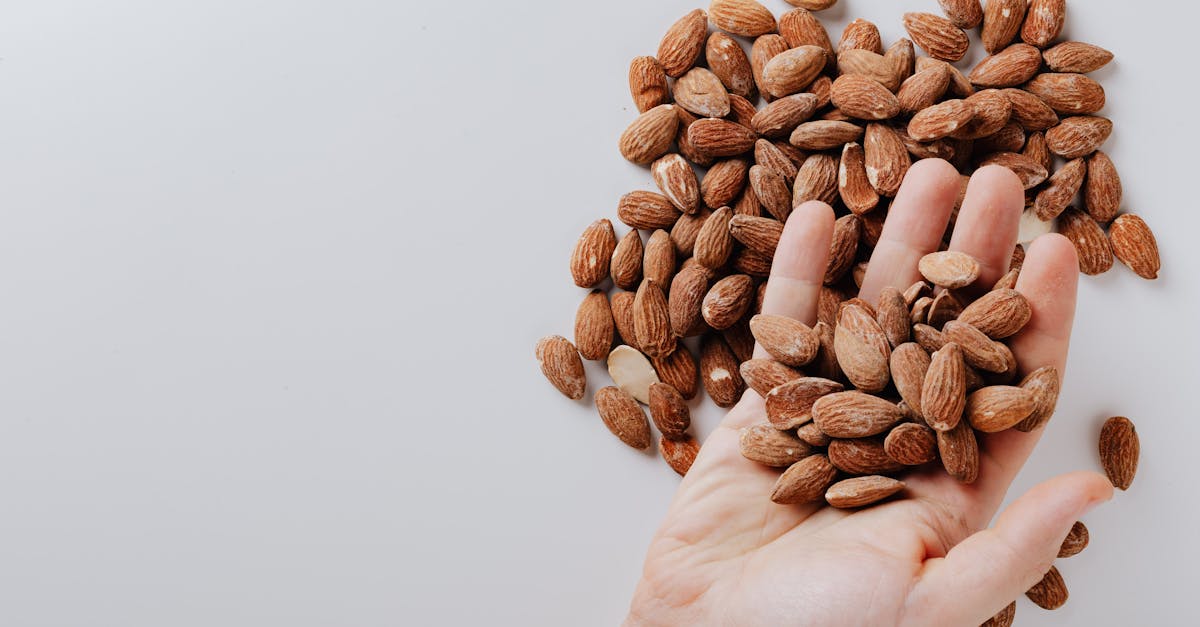
The most fascinating thing about energy-supporting foods is how interconnected they are with mood. A balanced plate rich in whole foods doesn’t just give your body fuel; it also affects hormones, inflammation levels, neurotransmitters, and even sleep quality. For example, magnesium-rich foods like almonds, spinach, and dark chocolate help relax muscles, calm the nervous system, and improve sleep—all of which result in more daytime energy.
If you want steady, reliable energy from day to night, building meals around whole grains, lean protein, colorful produce, healthy fats, and water-rich foods is far more effective than relying on quick pick-me-ups. Your body thrives on consistency, and by nourishing it with the right nutrients, you support not just your stamina but also your productivity, focus, and overall emotional well-being.