Choosing to follow a plant-based diet is often presented as a lifestyle trend, but what happens inside your body when you make this shift is far more profound than many people realize. Beyond the familiar idea of “eating more vegetables,” a plant-based diet ignites a cascade of internal changes that influence everything from your metabolism to your immune system. Whether you go fully vegan, mostly plant-focused, or simply reduce animal products, these benefits tend to appear sooner than you might expect.
One of the first internal shifts comes from the dramatic increase in dietary fiber. Plant foods—especially legumes, vegetables, fruits, and whole grains—deliver soluble and insoluble fibers that feed your gut microbiome. Many people don’t realize that gut bacteria start responding within just days of changing your diet, producing beneficial short-chain fatty acids like butyrate that strengthen the intestinal lining and reduce inflammation. This is also why people switching to a plant-based diet may notice less bloating or more regular digestion over time, even if the first few days feel like an adjustment.
Another often overlooked benefit is the impact on blood viscosity—how “thick” or “thin” your blood is. Plant-based meals tend to be lower in saturated fats, which helps the blood flow more efficiently. This means your heart doesn’t have to work as hard to push blood through your vessels. It’s one of the reasons many individuals experience improved circulation and even warmer hands and feet when they adopt a plant-forward eating pattern. Lower viscosity also contributes to improved endothelial function, allowing artery walls to relax more easily.
Shifting to plant-based foods naturally increases your intake of antioxidants and phytochemicals, which quietly support your body in ways most people underestimate. Compounds like flavonoids, carotenoids, and polyphenols help neutralize free radicals before they can damage your cells. What’s interesting is that these protective molecules don’t just defend your cells—they influence gene expression in ways that support long-term health, a concept known as nutrigenomics. Something as simple as adding more berries, greens, or spices like turmeric can begin shaping how your body regulates inflammation and repairs itself.
Hormonal balance also responds to a plant-based transition. Because you’re taking in more fiber and fewer dietary hormones found in animal products, your body can regulate estrogen levels more effectively. Fiber binds to excess estrogen in the digestive tract, helping shuttle it out of the body. This internal recalibration can be particularly helpful for people dealing with hormonal fluctuations, bloating, or skin issues. Many don’t realize that reduced inflammation and hormonal steadiness are among the reasons some people report clearer skin after changing their diet.
Your metabolism undergoes its own subtle transformation as well. Plant-based foods generally have a higher nutrient density per calorie, nudging your body toward better insulin sensitivity. As whole grains, legumes, and vegetables digest more slowly, blood sugar rises more gently, reducing the roller-coaster energy spikes and crashes that refined foods can cause. This stable glucose pattern is one reason people often feel more sustained energy or improved mental clarity within a few weeks of switching.
Even your immune system becomes more adaptable and resilient when fueled by a variety of plant foods. A diverse microbiome, nourished by different plant fibers, trains your immune cells to respond more efficiently without overreacting. This is an easily overlooked benefit: the more plant diversity in your diet, the more microbial diversity in your gut—something directly connected to lower chronic inflammation and better immune response.
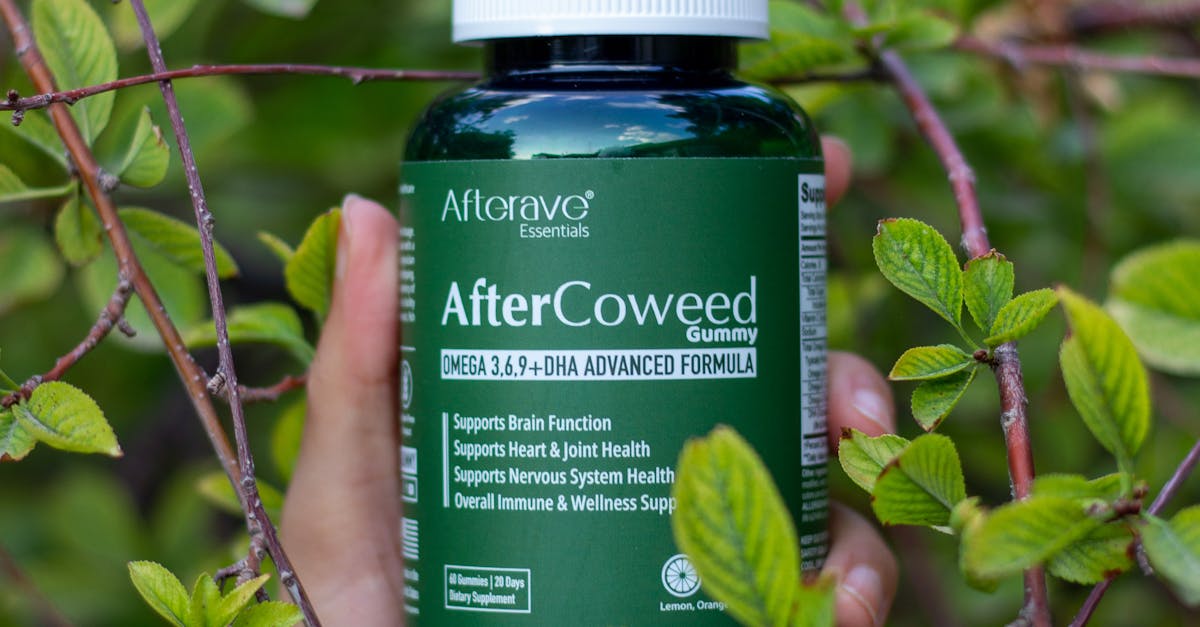
Of course, balance still matters. While plant-based diets offer an impressive spectrum of benefits, it’s important not to overlook nutrients like vitamin B12, omega-3s, iron, and zinc, which may require more intentional planning. But once those bases are covered, the internal transformations from increased fiber, antioxidants, micronutrients, and healthy fats create a foundation for long-term well-being.
Switching to a plant-based diet isn’t just a nutritional decision—it’s a biological reset. By feeding your body in a way that supports digestion, circulation, metabolism, and immunity all at once, you’re giving your cells the tools they need to function at their best. And often, it’s the small internal changes that end up making the biggest difference in how you feel, both today and for years to come.