When people hear the word “fat,” they often imagine something to avoid, yet your body relies on certain fats every single day. Among the most essential are omega-3 and omega-6 fatty acids—nutrients your body cannot produce on its own. Understanding how they work, where to find them, and why balance is key can help you make smarter choices that support everything from heart health to mood stability.
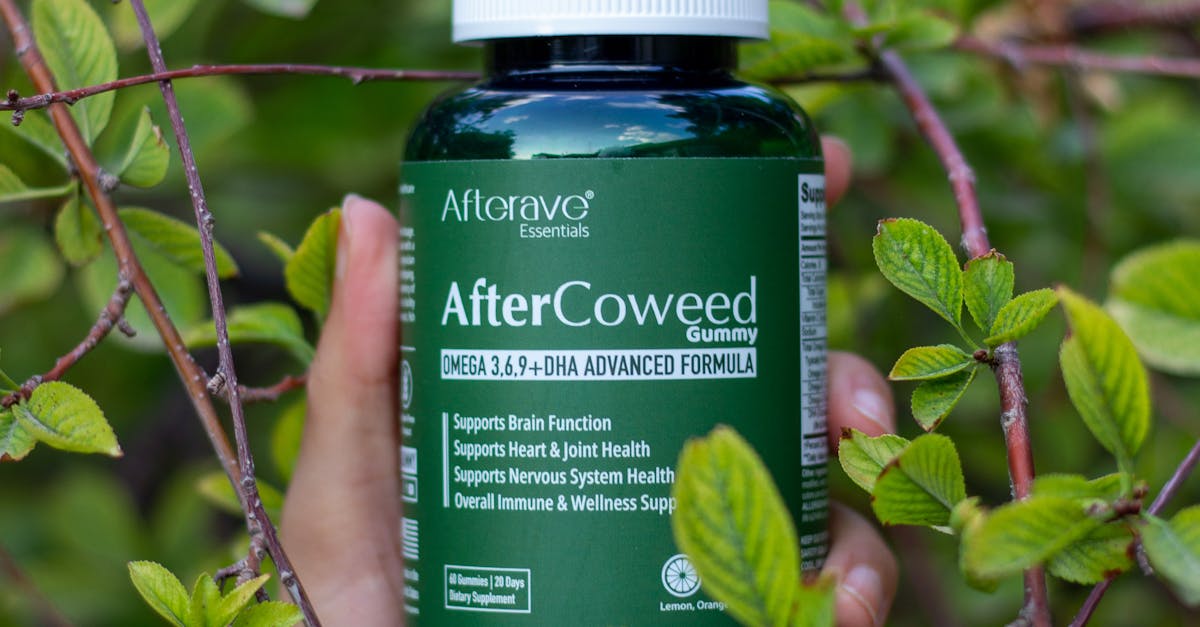
Omega-3s are often called “anti-inflammatory fats,” and for good reason. These fats play a major role in keeping chronic inflammation at bay, supporting brain function, and promoting a healthy heart. What many people don’t know is that omega-3 is actually a family of fats: ALA, found mostly in plant foods like walnuts, chia seeds, and flax; and EPA and DHA, which are found in marine sources like sardines, salmon, anchovies, and algae. Your body can convert ALA into EPA and DHA, but the conversion rate is surprisingly low—often less than 10%. This is why relying solely on plant sources may leave you short of the most active forms of omega-3, and why including fish or algae-based supplements can make a meaningful difference.
On the other side are omega-6 fatty acids, which are also essential. They help maintain healthy skin, support hormone production, and contribute to proper cell function. The issue is not that omega-6 is “bad,” as it’s sometimes portrayed, but that the modern diet contains far too much of it. Vegetable oils like soybean, corn, sunflower, and cottonseed oil are heavily used in packaged foods, fast food, and processed snacks. As a result, many people consume omega-6 in amounts far beyond what the body needs, sometimes reaching ratios of 20:1 compared to omega-3. Historically, humans ate closer to a 1:1 or 4:1 ratio, which supported healthier inflammation levels and better long-term health.
What makes this imbalance important is that omega-6 fatty acids compete with omega-3s for the same enzymes in the body. When omega-6 intake is too high, the body converts more of these fats into compounds that promote inflammation. This doesn’t mean omega-6 is harmful; it simply means that without enough omega-3 to balance things out, your body may shift into a more inflammatory state. Chronic inflammation is known to contribute to conditions like heart disease, arthritis, insulin resistance, and even mood disorders, making this balance more than just a nutrition detail.
One often overlooked fact is that not all omega-6 sources behave the same way. Whole-food sources—such as nuts, seeds, and avocados—come packaged with antioxidants, fiber, and other nutrients that help counterbalance the inflammatory potential. The real issue stems from the refined oils used in deep frying and mass-produced foods. These oils can oxidize easily when heated, forming compounds that may stress the body further. Choosing whole foods over refined oils is an easy way to improve your omega balance without feeling like you’re restricting yourself.
Curiously, omega-3 fatty acids also play a surprising role in emotional wellness. DHA, one of the key omega-3s, is a major structural fat in the brain, and many people are unaware that low DHA levels have been associated with mood fluctuations and concentration difficulties. Omega-3s also support the production of neurotransmitters like serotonin, which is one reason fish-rich diets are often linked with lower rates of depression. It’s a reminder that fats aren’t just fuel—they’re structural building blocks for the mind.
So how do you strike a healthy balance? Aim to include omega-3-rich foods several times a week, whether that’s fatty fish, chia pudding, flaxseed in smoothies, or a quality marine-based supplement. At the same time, reduce the reliance on refined vegetable oils and ultra-processed foods, choosing olive oil, avocado oil, nuts, and seeds instead. These small choices help restore a more natural ratio of omega-3 to omega-6, supporting everything from cardiovascular health to cognitive performance.
Healthy fats are not just part of a balanced diet—they’re vital components that keep your body functioning smoothly. Once you understand the roles of omega-3 and omega-6, and the importance of keeping them in harmony, making nourishing choices becomes much easier and far more intuitive.