The term superfood gets used so often that it can start to feel like a marketing buzzword, yet the idea behind it is more grounded than many people realize. At its core, a superfood is simply a food that packs a high concentration of nutrients or beneficial compounds relative to the calories it provides. While no single food can replace a balanced diet, many foods often labeled as superfoods do have research-backed advantages that make them worth incorporating into everyday meals. Understanding what sets them apart—and what common myths surround them—can help you use these nutrient powerhouses more effectively.
One of the interesting things about superfoods is how ordinary many of them are. Blueberries, for example, frequently top the list because of their rich supply of anthocyanins, the pigments that give them their deep color. These compounds have been studied for their antioxidant and anti-inflammatory effects, and some research even suggests potential support for cognitive health as we age. Yet what most people forget is that frozen blueberries retain nearly the same nutrient profile as fresh ones, sometimes even better because they are flash-frozen at peak ripeness. This makes them an easy and accessible way to add antioxidants to your diet year-round.
Leafy greens like kale and spinach are another category often labeled as superfoods—not because they’re trendy, but because they provide vitamins A, C, K, iron, and folate in impressive amounts. Something less commonly known is that lightly cooking these greens can increase the bioavailability of certain nutrients, such as beta-carotene, meaning your body can absorb them more efficiently. Many people assume raw vegetables are always the healthier choice, but a quick sauté or steam can actually unlock additional benefits.
Then there are foods like chia seeds, flaxseeds, and hemp hearts, which are tiny but surprisingly rich in omega-3 fatty acids, fiber, and plant protein. What’s often overlooked is how their preparation affects their impact. Flaxseeds, for instance, only release their nutrients when ground; eaten whole, they pass through the digestive system largely intact. Chia seeds form a gel when soaked, which can slow digestion and help stabilize blood sugar, but most people don’t realize that this same property also makes them very hydrating due to the water they retain.
Green tea and matcha also make frequent appearances on superfood lists because of their catechin content, especially EGCG, a compound studied for its antioxidant and metabolism-supporting potential. While matcha is often considered “stronger,” the real reason isn’t mystical—it’s because when you drink matcha, you consume the whole tea leaf in powdered form rather than just steeped water. That means a much higher concentration of those beneficial compounds per cup.
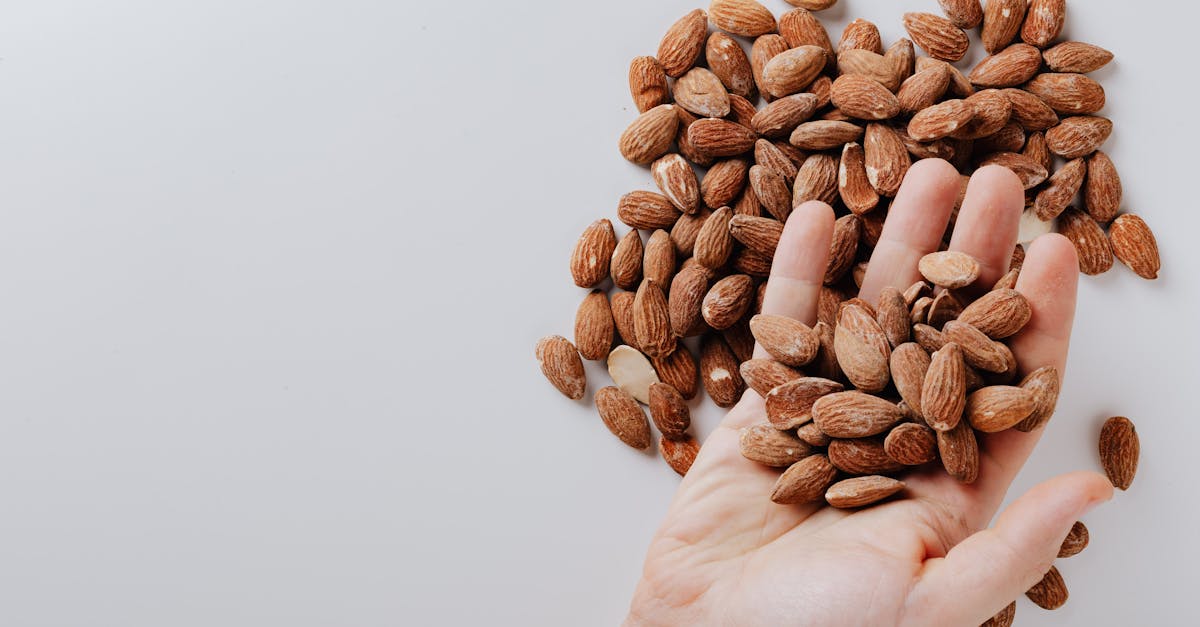
Nuts like almonds and walnuts are classic examples of whole foods that deserve the “super” label. Many people remember they’re heart-healthy but forget why: their combination of healthy fats, vitamin E, and plant sterols supports cholesterol balance and reduces inflammation. Walnuts in particular are one of the few plant-based sources of alpha-linolenic acid (ALA), a type of omega-3, which gives them a nutritional edge over many other nuts. The key, of course, is portion size—these foods are nutrient dense but also calorie dense.
Even some foods that used to be overlooked are now getting attention. For instance, mushrooms—especially varieties like shiitake or maitake—contain unique polysaccharides such as beta-glucans that support immune function. Fermented foods like kefir, kimchi, and sauerkraut bring probiotics that help balance gut health, yet their benefits also depend on whether they’re truly raw and unpasteurized; many store-bought versions lose their helpful bacteria during processing, something most consumers are unaware of.
What the research continues to reinforce is that no superfood works in isolation. Their benefits come from consistent inclusion in a varied diet, not from consuming enormous quantities of a single ingredient. The real “superpower” of these foods lies in their synergy—colorful fruits, leafy greens, seeds, nuts, and teas all contribute different compounds that work together to support overall health.
So rather than chasing trends, it’s far more effective to look at superfoods as simple tools: versatile, nutrient-dense ingredients you can add to your meals with minimal effort. Whether it’s tossing blueberries into your morning oats, adding spinach to a pasta dish, sipping a cup of green tea, or sprinkling chia seeds onto yogurt, these small habits add up. When used this way, superfoods become less about hype and more about building a steady foundation for long-term health.